


Is It Difficult To Learn Padel?
When people first hear about padel, they often wonder whether it is difficult to learn. The truth is that padel has become popular worldwide not only because it is fun and social, but also because it is one of the most beginner friendly sports you can try. While tennis, squash, and even pickleball can require weeks of practice before feeling natural, padel offers something far more satisfying. Most players experience enjoyment and success within their first session. The learning curve is gentle, the rules are simple, and the game rewards effort rather than perfection. This combination creates an inviting environment that allows new players to feel comfortable almost immediately. So is padel difficult to learn? Not at all. It is arguably one of the easiest racket sports to pick up, and this is exactly why it is booming around the world.
Understanding the Basics Is Surprisingly Simple
Padel does not overwhelm beginners with complicated mechanics or technical requirements. The serve is underhand, which removes pressure and makes it easy for anyone to start a rally. The walls surrounding the court help keep the ball in play, giving beginners time to react without worrying about hitting a perfect shot. The smaller court size also means players spend less time running around and more time engaging with the ball. For new players, these elements create a forgiving environment where mistakes are not punished harshly. Missing a shot in tennis often ends the rally instantly, but in padel the walls can bounce the ball back into play, giving you another chance. This sense of forgiveness plays a huge role in helping beginners feel confident and motivated.
Equipment That Makes Learning Easy
The design of padel rackets also makes learning much simpler. Padel rackets do not have strings. They are compact, solid, and easier to control than traditional tennis rackets. This means you do not have to worry about complicated swing motions, racket head speed, or perfect timing. The ball itself has lower pressure than a standard tennis ball, which slows down the speed and keeps rallies manageable for beginners. Overall, the equipment is built for control, comfort, and accessibility. You can make solid contact with the ball even with imperfect technique, which reduces frustration and keeps the experience enjoyable. Many beginners are surprised by how quickly they can start hitting consistent shots. This ease of use is a major reason padel is simple to learn compared to other racket sports.
The Court Design Helps Beginners Progress Quickly
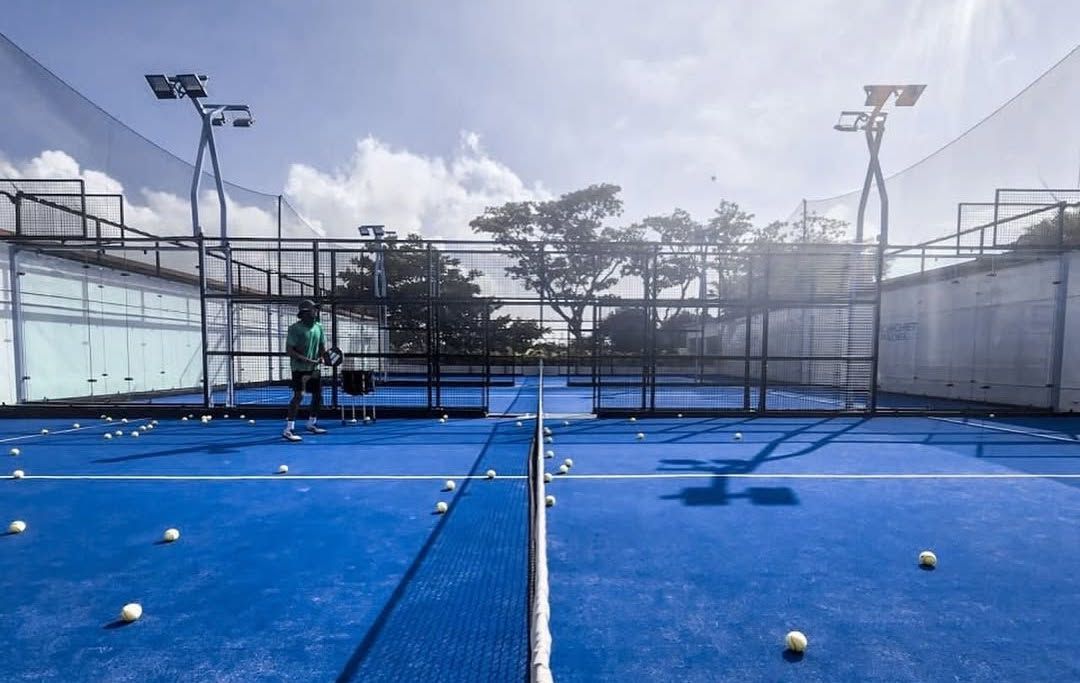
A standard padel court is surrounded by glass and mesh walls. While this may seem intimidating at first, it actually helps beginners tremendously. The ball can bounce off the walls, giving players extra reaction time and opportunities to recover. The court itself is about one third the size of a tennis court, meaning less movement is required. Beginners do not feel overwhelmed by long sprints or excessive running. Because the rallies stay alive longer, players spend more time learning through experience, reacting to plays, and building confidence. Instead of chasing balls across a large surface, beginners stay engaged in active rallies, which makes the game feel more intuitive and less physically demanding. This design also means that padel is easier on the body. The smaller court, softer ball rebound, and strategic positioning reduce the impact on joints, making the sport suitable for all ages and fitness levels.
Social Gameplay Accelerates Learning
One of the biggest reasons padel is so easy to learn is that it is always played in doubles. You have a partner supporting you, communicating with you, and helping you understand positioning and strategy. Learning a sport with a teammate is far less intimidating than facing an opponent alone. The social nature of padel creates a welcoming atmosphere where beginners feel relaxed and encouraged. Players celebrate wins together, laugh at mistakes, and support each other throughout the match. This positive environment speeds up the learning process because you do not feel pressure or embarrassment while learning. Instead, you enjoy the fun and teamwork that padel naturally creates. The communication you build with your partner helps you improve faster and understand the game instinctively.

A Sport That Rewards Progression Not Perfection
Padel has a unique balance of simplicity and depth. It is simple enough to enjoy immediately, but it has layers of strategy that players discover over time. Beginners learn quickly because the game encourages experimentation. You can try volleys, wall rebounds, lobs, smashes, and angled shots without fear of failure. Mistakes are part of the fun. Because padel rewards positioning and teamwork rather than raw power, new players can win points through smart play even before mastering technique. As you continue playing, you naturally start picking up strategies such as when to move forward, how to cover the net, how to use the walls effectively, and how to anticipate your opponents. The game becomes more exciting the more you learn, but the foundation is always beginner friendly. This combination of immediate enjoyment and long term progression is one of the reasons players rarely stop after trying padel once.
Short Learning Curve Creates Instant Enjoyment
Ask any beginner about their first padel session and they will tell you the same thing. It is fun right away. There are no long periods of frustration. There is no feeling of being lost or overwhelmed. Instead, beginners enjoy rallies almost instantly. They hit more balls, experience more success, and stay involved in the game from start to finish. This immediate reward makes the sport addictive. While tennis or squash can feel discouraging in the early stages, padel delivers excitement from day one. Even if you have never played a racket sport before, you can walk onto a padel court and start enjoying the game in minutes. This is extremely rare in the world of sports, and it is a major reason padel continues to explode worldwide.
Padel Is Accessible For All Ages and Fitness Levels
Another reason padel is easy to learn is its universal accessibility. Children can learn it. Adults can learn it. Seniors can learn it. People who are athletic and people who are not athletic at all can both enjoy it. The sport does not demand high intensity movement or advanced technical strength. Beginners can take it at their own pace while still enjoying competitive rallies. This makes padel one of the few sports where mixed ages and mixed skill levels can play together comfortably. Families play together. Friends with different athletic backgrounds play together. Even total beginners can team up with experienced players and still enjoy a balanced match. This inclusiveness makes learning padel feel less intimidating and more welcoming.
Confidence Builds Quickly And Keeps Players Motivated
Padel offers constant mini achievements that keep beginners excited. Long rallies. Clever wall rebounds. A successful volley. A point won through positioning. These moments deliver quick boosts of confidence that make players want to keep improving. When people feel successful in a sport, they stay motivated. They book more sessions. They bring friends. They invest in better equipment. This confidence loop is a major factor behind the rapid learning curve of padel.
You Can Improve Rapidly While Having Fun
Many sports require intensive coaching or structured training to improve. Padel allows you to progress naturally simply by playing. Because rallies last longer, you gain more experience and learn by doing. Because the sport is social, you receive tips from teammates and opponents. Because the court is forgiving, you can experiment without penalty. This creates a rapid improvement cycle that keeps players coming back. You do not need lessons to get better. You just need to play regularly, communicate with your partner, and observe how other players use the walls and position themselves. Improvement becomes enjoyable rather than stressful.
Padel is easy to learn because it blends forgiving rules, accessible equipment, intuitive gameplay, and a supportive social environment. Beginners feel comfortable immediately. They enjoy success early. They improve quickly. The sport is fun, social, inclusive, and gentle on the body. These factors come together to make padel one of the most beginner friendly sports in the world.
Ready to start playing or looking to upgrade your gear? Explore Moné Padel’s premium rackets, apparel, and accessories designed to make learning and playing padel even more enjoyable!


