


Understanding Key Differences
Padel has grown into one of the fastest expanding sports in the world, attracting millions of players who might otherwise have chosen tennis. Although both sports share similar roots, padel has been embraced more quickly by recreational athletes who want a game that is accessible, social, and consistently enjoyable. The shift from tennis to padel is happening across Europe, the Middle East, Asia, and the Americas, and it is driven by a set of clear reasons that appeal to modern lifestyles. This article explores the factors behind this global trend and why so many people prefer padel over tennis.
Padel Is Much Easier for Beginners
A major reason people choose padel instead of tennis is the difference in difficulty. Tennis requires technical skills that can take months or even years to develop. New players often struggle with timing, proper footwork, consistent shot making, and especially the serve. Many beginners find themselves unable to maintain rallies long enough to enjoy the sport. Padel eliminates most of these barriers. The racket has no strings and a larger sweet spot that makes it easier to hit the ball cleanly. The smaller court allows players to stay involved in every rally without excessive running. The walls keep the ball in play and create longer exchanges. Because the sport is played in doubles by default, even beginners feel part of the action immediately. People who feel frustrated learning tennis often find padel instantly rewarding and decide to stay with it because the enjoyment is immediate rather than delayed.
Padel Is More Social and Community Driven
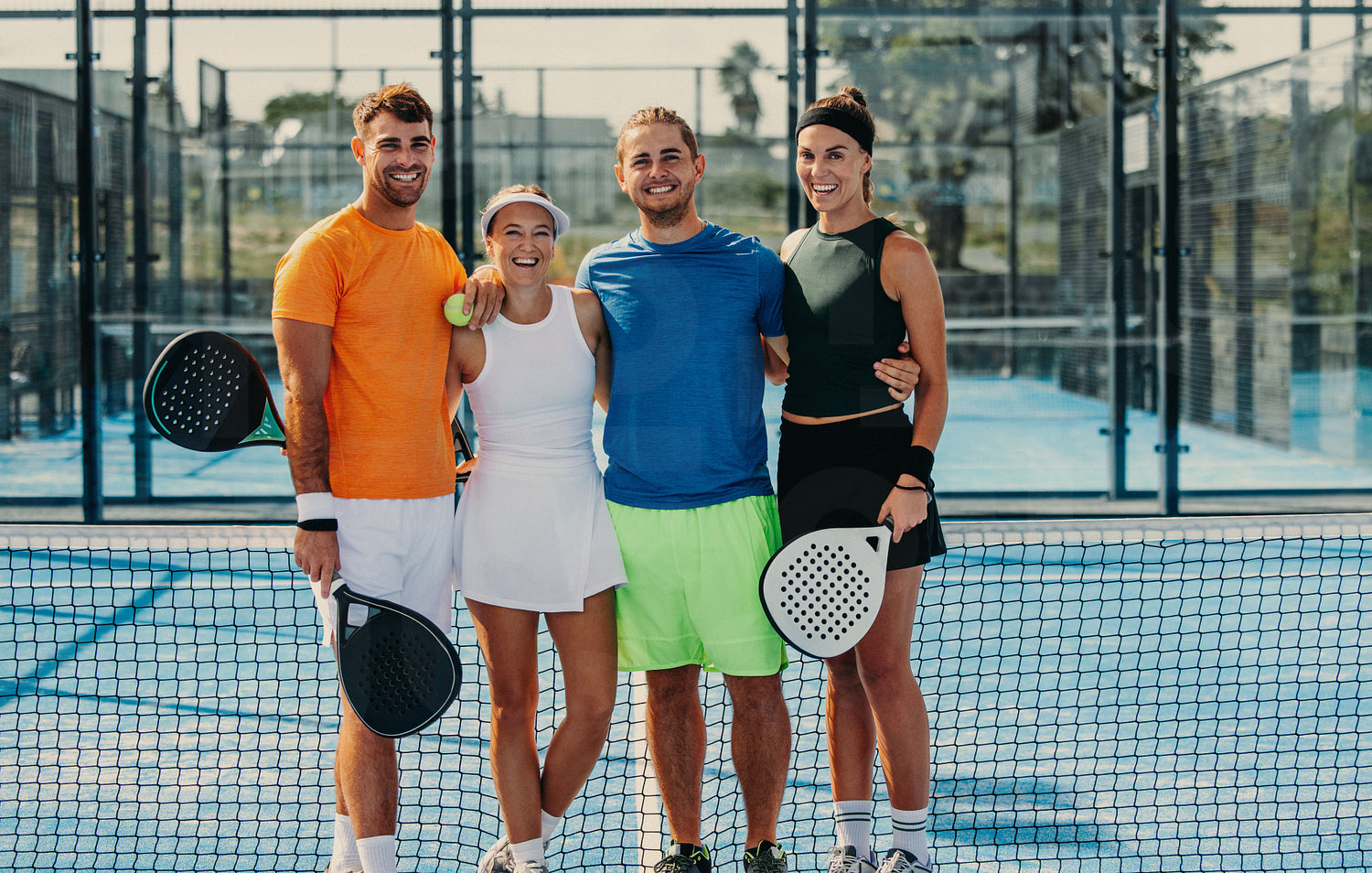
Padel is automatically a doubles sport, which creates a constant social experience from the moment players step onto the court. Communication is essential, teamwork is constant, and spacing is tight enough that all players stay engaged. Tennis can be social as well, but singles is still the dominant format and even doubles tennis does not create the same sense of closeness. Because padel courts are smaller, players stand closer to one another and interact more throughout the game. Clubs often become strong community hubs because matches encourage conversation, group play sessions, mixers, and leagues. Many people choose padel because they are looking for a sport that blends fitness with a strong community. For working adults or newcomers to a city, padel becomes a consistent way to meet friends and expand networks.
Padel Is Easier on the Body
The physical demands of tennis can be intense. The sport requires explosive footwork, powerful overhead serves, heavy rotation, and repeated high impact movements. Common injuries include tennis elbow, wrist strain, shoulder pain, lower back issues, and knee problems. As players age, these physical stresses become harder to manage. Padel is much more forgiving. The smaller court reduces running distances and lowers the strain on knees and ankles. The lack of an overhead serve protects the shoulder. The racket is lighter and the ball interacts differently, reducing arm stress. The presence of walls slows the game in a way that encourages thoughtful shot placement rather than raw power. Many former tennis players shift to padel after experiencing injuries or burnout because it allows them to continue enjoying racket sports without risking their long term joint health. This gives padel a broad and loyal adult player base.
Rallies Are Longer and More Enjoyable
One of padel’s strongest advantages is the length and rhythm of rallies. Because walls keep the ball in play, points last much longer than in tennis. Even inexperienced players can experience exciting back and forth exchanges. This creates a sense of flow and engagement that keeps people addicted to the game. Tennis often produces short points due to powerful serves, unforced errors, or difficulty controlling the ball. In padel, most points involve resets, lobs, volleys, glass rebounds, and teamwork. The game feels strategic yet fast paced, which helps players of all levels stay engaged and grow their skills naturally. For many recreational athletes, the satisfaction of extended rallies is one of the biggest reasons they choose padel.

The Technique and Equipment Are Simpler
Tennis requires mastery of a wide variety of strokes. Players must learn topspin, slice, flat shots, serve variations, footwork patterns, and grip changes. Equipment also becomes complex because string tension, racket balance, grip size, and string type all impact performance. Padel simplifies everything. There are no strings to adjust, no overhead serve to learn, and far fewer shot variations to master. The game rewards control, placement, anticipation, and teamwork rather than power or specialized technique. Players feel competent faster, and that feeling of progress encourages them to return frequently. Simplicity is one of the biggest reasons padel has succeeded with casual players, families, and people who want a sport that fits easily into their routine.
Padel Matches Are More Balanced for Mixed Skill Levels
In tennis, even a small difference in experience or athletic ability can create an unbalanced match. A stronger player often dominates, which makes the game frustrating for someone who is still learning. Padel is naturally more balanced. The walls slow the game, the smaller space reduces the advantage of power, and teamwork allows weaker players to still contribute to rallies. People of different ages, fitness levels, and skill profiles can play together without the match turning into a one sided experience. This makes padel ideal for couples, families, corporate groups, and recreational clubs where players vary in ability. The inclusiveness of the sport helps it grow faster than tennis in many communities.
Padel Requires Less Space and Works Better in Cities
In many cities, tennis courts are limited due to space and cost. A single tennis court requires a large footprint, which makes it difficult to build new facilities in dense urban areas. Padel courts are much smaller and can be placed on rooftop spaces, unused corners of sports clubs, parking structures, old warehouses, and compact real estate locations. Cities like Hong Kong, Singapore, Dubai, London, and New York have embraced padel because it offers more courts per square meter. More courts mean more availability, shorter wait times, and more opportunities for people to play. Accessibility drives participation, and padel benefits directly from this advantage.
Padel Has Modern Lifestyle Appeal
Padel has developed a modern image that fits today’s sports culture. Clubs host social events, evening matches, weekend tournaments, and community gatherings. The sport has become associated with fitness, networking, and lifestyle. People enjoy the relaxed, fun environment of padel clubs, which often feel more approachable than traditional tennis clubs. Social media has amplified the sport’s momentum by showcasing rooftop courts, rallies, and professional play. Celebrities and athletes frequently endorse the game, making it even more aspirational. This cultural momentum continues to draw new players who want a sport that feels current and dynamic.
Padel Is Simply More Fun for Many People
The core reason people choose padel instead of tennis is simple. The sport is fun. It creates constant engagement, encourages teamwork, rewards creativity, and provides an enjoyable experience from the first session. It is a sport that players want to return to again and again. The combination of accessibility, social energy, strategic depth, and consistent rally flow makes padel a natural choice for today’s recreational athletes. Tennis will always remain a classic and respected sport, but padel offers a modern alternative that is better suited to casual players who want a balance of exercise, enjoyment, and community.
Elevate your padel experience with performance focused rackets, apparel, and accessories from MonePadel.com. Start your next match with the right equipment and feel the difference.


