


How Much Does It Cost to Play Padel in the USA? A Complete Breakdown
As padel continues to expand across the United States, one of the most common questions from new players is straightforward: how much does it actually cost to play? Unlike pickleball or public tennis, padel in the US is still developing within a premium club-based ecosystem, which means costs can vary significantly depending on location, access, and how often you play.
Understanding the real cost of padel helps set expectations and allows players to decide whether the sport fits their lifestyle and budget.
The Cost of Accessing a Padel Court
In the United States, most padel courts are privately operated. This means access is usually tied to either membership fees or hourly court bookings.
Hourly court rental typically ranges from moderate to premium depending on the city and facility. In major metropolitan areas, court bookings are generally higher due to limited supply and strong demand. These costs are usually split among four players, which helps keep per-person expenses reasonable.
Some clubs offer pay-as-you-play options, while others require membership to book courts. Membership models vary widely and may include initiation fees, monthly dues, or annual subscriptions.
Membership Fees at US Padel Clubs
Membership is often the largest upfront cost for American padel players. Entry-level memberships usually provide booking access and discounted court rates. Higher-tier memberships may include unlimited play, coaching sessions, guest passes, and access to club amenities.
In emerging markets, memberships are often more affordable as clubs focus on growing their player base. In established markets like South Florida or California, memberships tend to be more expensive due to demand and premium positioning.
For frequent players, membership can significantly reduce long-term costs.
Equipment Costs for Beginners
Compared to tennis, padel equipment costs are relatively accessible. Beginners typically need a padel racket, appropriate footwear, and basic accessories.
A beginner-friendly padel racket usually falls into a mid-range price category and can last many months with regular play. Shoes designed for padel or indoor court sports provide better grip and support but are not necessarily expensive.
Additional costs may include overgrips, balls, and a padel bag, though these are optional at early stages.
Coaching and Lessons
Many new US players choose to take lessons to accelerate learning. Coaching prices vary depending on location and coach experience. Group lessons are more affordable and popular among beginners, while private sessions offer personalized instruction at a higher cost.
Some clubs bundle coaching into membership packages, which can provide better value for players committed to improving.
Lessons are optional but can significantly enhance enjoyment and progression.

League Play and Social Events
One of padel’s biggest draws is its social structure. Many clubs offer leagues, ladders, and social tournaments that involve additional fees. These events often include organized play, rankings, and social gatherings.
League fees are generally reasonable and provide consistent playing opportunities without the need to book courts individually. For many players, league participation becomes the most cost-effective way to play regularly.
Travel and Lifestyle Costs
In the US, padel courts may not always be close to home, especially outside major cities. Travel time and transportation costs can add up depending on location.
Some players also budget for food, drinks, or social events at padel clubs, which are often designed as lifestyle venues rather than simple sports facilities.
While optional, these elements are part of the overall padel experience in the US.
Comparing Padel Costs to Other Sports
Compared to pickleball, padel is more expensive due to court infrastructure and private club models. Compared to tennis, padel costs are often similar or slightly higher at entry level but can become more affordable over time when costs are shared among four players.
Padel’s value lies in its social nature, accessibility, and quality of experience rather than being the cheapest option available.
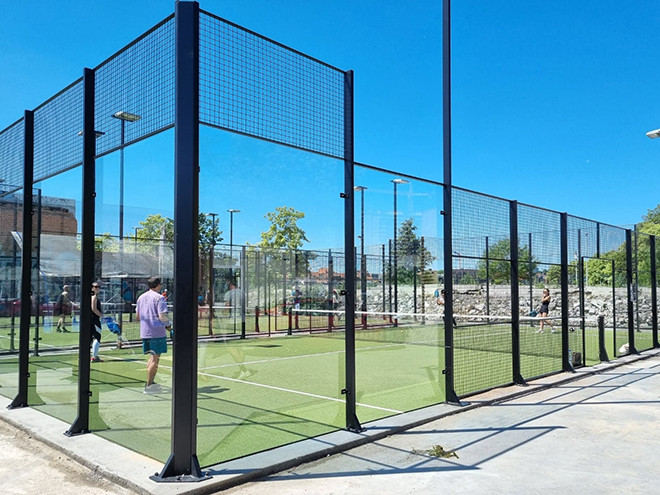
How Costs Change Over Time
As padel infrastructure expands in the United States, costs are expected to stabilize and become more competitive. Increased court availability typically leads to more pricing options, including off-peak rates and flexible memberships.
Early adopters often pay a premium, but they also gain access to higher-quality facilities and communities during the sport’s growth phase.
Is Padel Worth the Cost?
For many American players, padel offers strong value relative to its cost. The sport combines fitness, social interaction, and long-term engagement in a way few recreational activities do.
Players who enjoy consistent play, social leagues, and progression tend to view padel as a worthwhile investment rather than an expense.
Final Thoughts
The cost of playing padel in the USA depends on where you play, how often you play, and how deeply you engage with the sport. While it is not the cheapest racket sport available, padel delivers a premium experience that many players find rewarding.
As padel continues to grow across the country, access will improve and pricing models will evolve, making the sport more accessible to a wider audience.


