


The Future of Padel in the USA
Padel has moved from a niche European sport to one of the fastest growing racket sports in the world. While Spain, Sweden, and parts of Latin America have long embraced padel, the United States is now entering a critical growth phase. Over the next decade, padel is positioned to transition from early adoption to mainstream participation across key US markets.
This article explores where padel is headed in the United States, what factors are driving its expansion, and what the future may look like for players, clubs, and brands alike.
Padel’s Current Position in the US Market
Compared to Europe, padel in the United States is still in its early stages. Tennis and pickleball dominate the racket sports landscape, with established infrastructure, media coverage, and professional pathways. However, padel is carving out a distinct position rather than competing head to head.
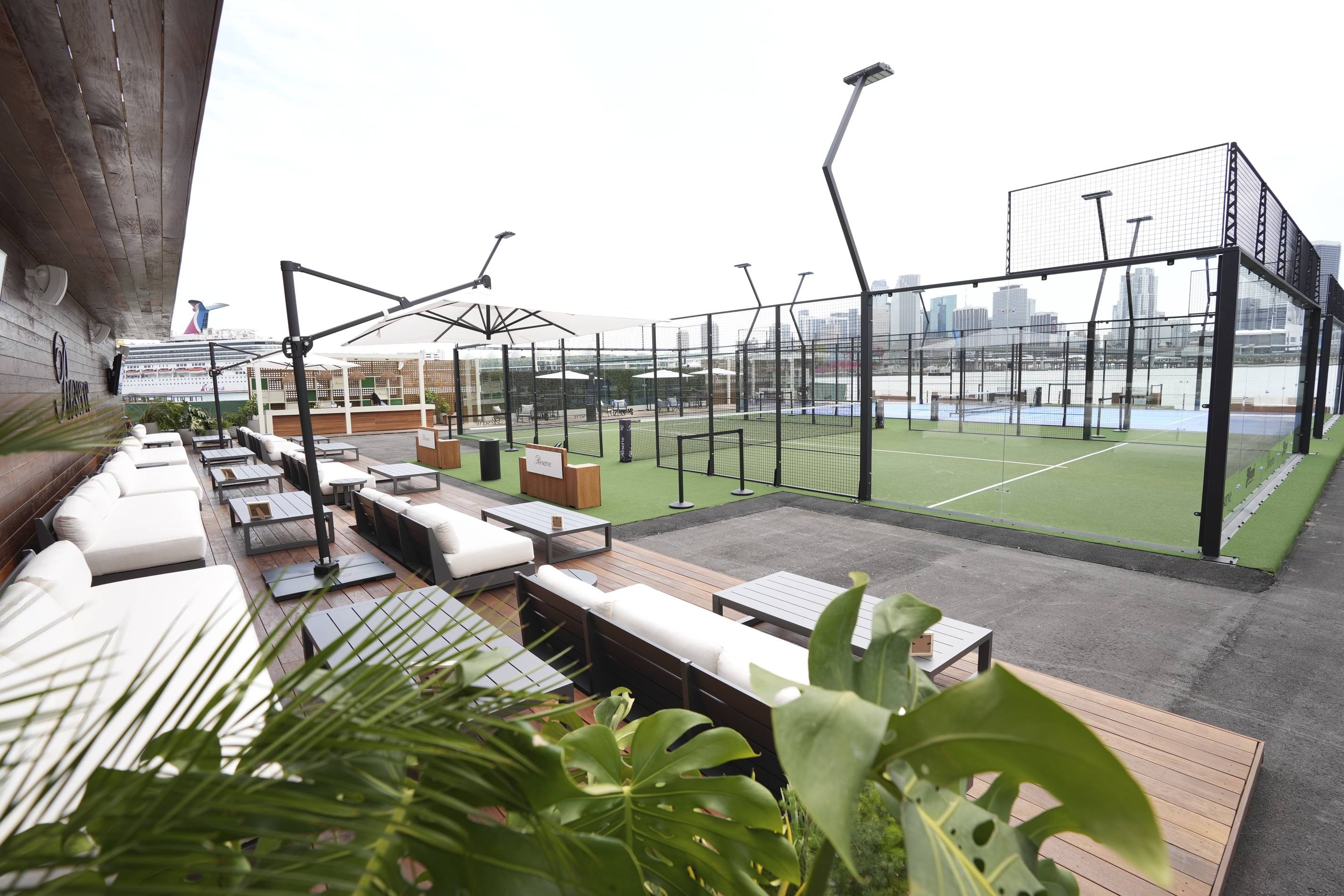
Today, padel courts are concentrated in select metropolitan areas such as Miami, Los Angeles, New York, Houston, and parts of California and Florida. These markets share a few common traits: strong international communities, premium sports clubs, and consumers open to new lifestyle driven sports.
What makes this phase important is that padel is no longer experimental in the US. Dedicated clubs, private investors, and international operators are committing capital to long term development rather than temporary pop up courts.
Why the USA Is Ready for Padel Growth
Several structural factors make the United States uniquely suited for padel’s next wave of growth.
First, padel aligns perfectly with American recreational habits. It is social, doubles focused, and easier to pick up than tennis. Players can rally quickly, enjoy competitive points early, and play matches without years of training. This makes padel ideal for adult beginners and time constrained professionals.
Second, the US already has a strong culture around premium fitness and boutique sports experiences. Padel clubs fit naturally into this ecosystem. Modern padel venues are not just courts. They are lifestyle spaces combining coaching, social play, food and beverage, events, and community.
Third, pickleball has already educated the market. Millions of Americans now understand that racket sports can be fun, social, and accessible without elite athletic backgrounds. Padel benefits from this shift in mindset while offering a more dynamic and visually engaging game.
Infrastructure and Club Expansion
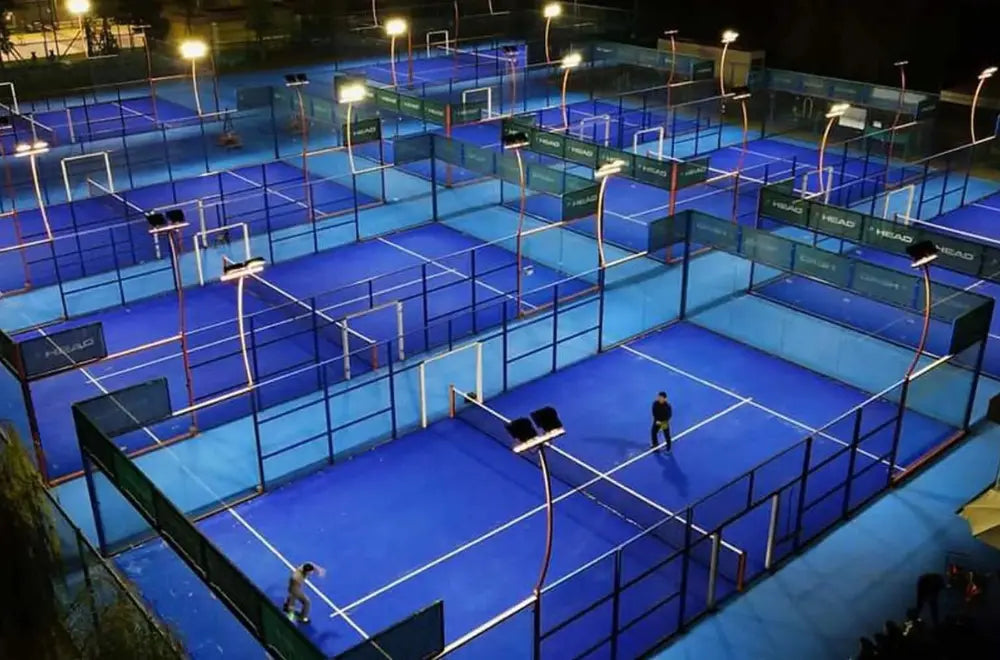
The next decade of padel growth in the US will be defined by infrastructure. Court availability remains the biggest bottleneck today. Unlike tennis or pickleball, padel courts require glass walls, specialized surfaces, and higher upfront investment.
However, this barrier is also a strength. Purpose built padel clubs tend to attract more committed operators and higher quality experiences. Investors are increasingly viewing padel courts as premium assets rather than low cost installations.
We are likely to see three parallel models emerge. First, high end urban clubs in cities like Miami, Los Angeles, and New York, positioned as social and networking hubs. Second, suburban clubs integrated into existing tennis or country club facilities. Third, destination clubs tied to real estate developments, resorts, and mixed use projects.
As court density increases, player retention and league structures will follow naturally.
The Role of Youth and Junior Development
For padel to become truly mainstream in the United States, youth adoption will be critical. Tennis and basketball dominate school programs, while pickleball has yet to fully integrate into junior pathways.
Padel has an opportunity to establish itself early with junior academies, after school programs, and summer camps. Its smaller court size and doubles format make it ideal for young players, particularly in urban environments where space is limited.
Over time, structured junior development will create a new generation of American padel players who grow up with the sport rather than discovering it as adults. This will be a major inflection point for competitive depth and long term sustainability.
Professionalization and Media Visibility
One of the most important signals of padel’s future in the US will be professional visibility. International tours and exhibitions are already entering the American market, but consistent domestic competition remains limited.
As participation grows, the US will likely develop its own professional circuit aligned with global tours. This will increase media exposure, sponsorship interest, and aspirational value for players.
Padel is also well suited for digital content. Fast rallies, glass wall rebounds, and doubles dynamics translate well to short form video platforms. This gives the sport a natural advantage in reaching younger audiences compared to traditional racket sports.
Equipment, Apparel, and Brand Evolution
As padel expands in the US, equipment and apparel will play a major role in shaping perception. Early adopters are already seeking premium rackets, footwear, and apparel that reflect both performance and style.
American consumers tend to gravitate toward brands that combine function with strong identity. This creates space for padel brands to differentiate through design, materials, and storytelling rather than competing purely on price.
We will likely see a shift from generic entry level equipment to more specialized rackets tailored to different playing styles. Apparel will also evolve from basic sportswear into lifestyle driven collections that transition seamlessly off court.
Challenges Padel Must Overcome
Despite its momentum, padel faces real challenges in the US market.
Awareness remains limited outside major cities. Many Americans still confuse padel with paddle tennis or pickleball. Education and exposure will be essential.
Court costs and zoning regulations can slow expansion, particularly in dense urban areas. Operators must work closely with municipalities and real estate developers to integrate padel into long term planning.
Finally, padel must maintain quality as it scales. Poorly built courts or underdeveloped coaching programs could hurt early impressions. Consistency in standards will be critical during this growth phase.
What the Next 10 Years Could Look Like
Looking ahead, padel in the United States is unlikely to replace tennis or pickleball. Instead, it will establish itself as a complementary sport with its own culture, community, and competitive ecosystem.
Within the next decade, it is realistic to expect thousands of courts nationwide, strong regional leagues, youth academies, and a recognizable professional presence. Major cities will treat padel as a permanent fixture rather than a novelty.
For players, this means more access, better coaching, and higher quality equipment. For investors and brands, it represents a rare opportunity to participate in the early stages of a sport with global momentum.
Bright Outcomes
The future of padel in the USA is not a question of if, but how fast and how well it grows. With the right balance of infrastructure, education, and brand development, padel has the potential to become one of the defining recreational sports of the next generation.
As American players discover the social, competitive, and lifestyle appeal of padel, the sport is poised to move from exclusive clubs into the mainstream.
Discover premium padel rackets, apparel, and accessories designed for modern players at MonePadel.com. Elevate your game with equipment built for performance, style, and longevity.


